
Blog
Signs of Spinal Cord Damage After an Accident
Learn to spot spinal cord injury signs early after an accident in Roseville. Consulting a catastrophic injury attorney can connect you to needed resources.
- Published
- August 18, 2025
- Reading time
- 6 min read
- Author
- Gingery Hammer & Associates, LLP
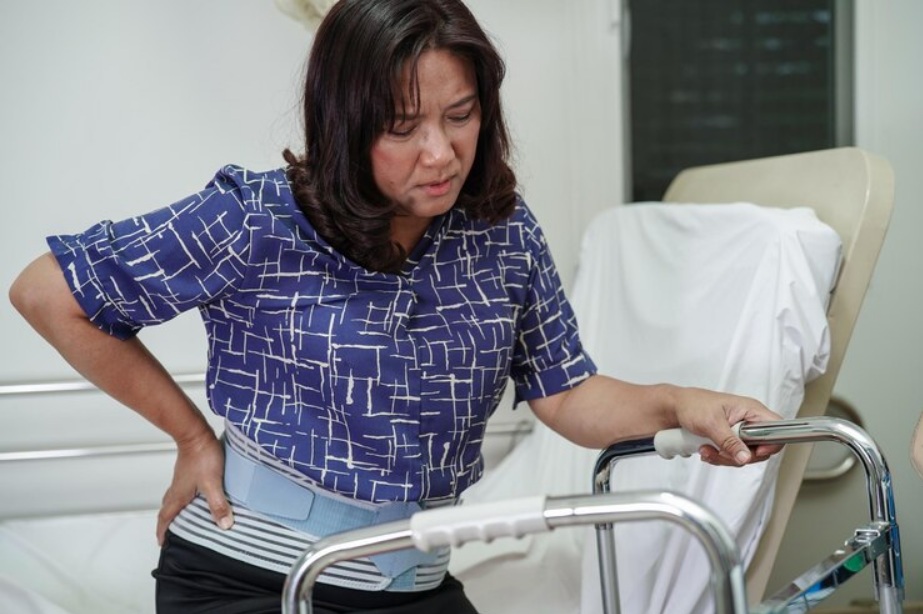
An accident can turn life upside down in seconds. While some injuries show up right away, others take time to become noticeable. One of the more serious outcomes of a collision, fall, or physical impact is a spinal cord injury. These injuries can develop slowly, making early detection tough but important. Being aware of the signs can help someone take the right steps to care for their health and avoid making the damage worse.
Spinal cord damage doesn’t always look the same from person to person. Some signs happen right after the incident, while others may appear over time as the body responds to injury. Recognizing the signals early can make a real difference in how recovery plays out. Whether it’s minor discomfort that escalates or sudden loss of movement or feeling, knowing what to look for takes some of the mystery or worry out of the healing process.
Common Early Signs Of Spinal Cord Damage
In the hours and days following an accident, some physical symptoms may start to surface. These can happen suddenly or show up gradually. It’s easy to brush them off as something temporary or unrelated, but staying alert to these signs is important.
Here are some of the most common early red flags of spinal cord damage:
These changes may not all happen at once, and sometimes even one symptom can point to something serious. For example, someone might notice their legs feeling unusually weak when getting up from bed, or they might drop their coffee cup because their grip doesn’t feel right. It may not seem like a big deal in the moment, but changes like that deserve attention, especially after a fall or crash.
Paying attention to these symptoms can encourage quicker medical steps. Since signs of a spinal cord injury can show up later, giving your body time while keeping an eye on how you’re feeling is better than assuming everything is fine.
- Sudden or severe neck or back pain with no clear cause
- Muscle weakness, especially in the arms or legs
- Loss of feeling in the hands, fingers, feet, or toes
- A sensation of pressure in the head or spine
- Difficulty breathing or shallow breaths
- Problems with coordination or fine motor skills
Physical And Functional Changes To Watch For
Once initial symptoms appear, there may also be shifts in how the body feels or moves. These physical and functional changes can affect how someone goes about their daily life. They tend to continue or get more noticeable in the days and weeks after the injury.
Some common signs include:
Even small issues like stumbling more than usual or having a hard time holding yourself up when walking can signal deeper problems. These are the kinds of changes people in Roseville come across after car accidents or athletic injuries, especially if they hit their back, neck, or head.
While these symptoms might not confirm anything right away, they should never be ignored. Delays in seeking attention could make things more complicated down the road. Watch for how symptoms develop, and don’t assume they’ll go away on their own. Your body often gives hints when something isn’t right.
- Trouble walking or feeling off balance
- A heavy or numb feeling in part of the body
- Spasms or muscle twitches that weren’t there before
- Losing control over bladder or bowel movements
- A tingling or pins and needles sensation in your limbs
Long-Term Symptoms And Complications
As time goes on after an accident, spinal cord issues can shift from early warning signs to more serious problems that affect day-to-day life. Some symptoms might stay the same, but others could slowly get worse or lead to new complications. Even if someone looks like they’re doing fine on the outside, long-term changes can develop beneath the surface.
Chronic pain is one of the more common complications. People often talk about a constant ache or burning feeling that doesn’t go away with rest. Muscle spasms and stiffness can follow, especially when the injury affects mobility. Reflexes might also change. Some people become extremely sensitive to touch or react more strongly than usual to minor movement.
Other long-term changes include:
At this stage, the injury becomes a part of someone’s everyday environment. Things as simple as climbing stairs or lifting a bag of groceries might require more effort or feel different than they used to. In some cases, continued physical therapy plays a role in managing pain and rebuilding function. Even small improvements can make a difference over time, but the process often isn’t linear.
It’s frustrating to deal with problems that weren’t present right after the accident. That’s why it helps to know what may lie ahead. A person living in Roseville who slipped on a wet sidewalk or was involved in a car wreck months ago might start noticing these signs long after the incident. Knowing what those symptoms mean can help speed up decisions about what to do next.
- Reduced strength or loss of muscle mass
- Difficulty with temperature regulation
- Ongoing fatigue that seems out of proportion to activity levels
- Pain that radiates through certain limbs and limits movement
- Loss of sexual function or sensitivity
When To Seek Professional Help
Spinal cord issues can’t always be confirmed by how someone feels. Just because a symptom seems small doesn’t mean it’s harmless. If a person starts to notice changes in movement, strength, or sensation after an accident, it’s important to reach out to a medical provider who can take a closer look.
Some signs that it’s time to act include:
These signals tell you that the body may be reacting to damage. Even if the issues don’t seem like a big deal right away, they can lead to complications later. A diagnosis from a qualified doctor can help guide a treatment plan, which may involve imaging tests or rehab options.
Sometimes symptoms just don’t line up with what someone expects based on their type of accident. That’s another reason to get checked out. You might think, I didn’t fall that hard, or It was just a small crash, but that doesn’t mean your spinal cord wasn’t affected. Injuries like these don’t always appear based on the severity of impact alone.
- Any ongoing numbness or tingling that doesn’t go away
- Sudden weakness or loss of balance that impacts mobility
- Problems with bowel or bladder control
- Spasms that interrupt sleep or daily activities
- Sharp or unusual pain in the spine, shoulders, or low back
Understanding Support And Taking Action In Roseville
Spotting spinal cord damage early is one thing. Taking the next step is another. Whether the symptoms are mild or more obvious, what matters is staying informed and getting the right support when signs don’t go away. Recognizing physical changes isn’t meant to cause panic, it’s meant to put someone in charge of their health before things get worse.
Accidents affect people in different ways, and healing isn’t always easy or quick. But tracking symptoms, listening to your body, and knowing what to look out for can help you take action sooner. That’s especially true for folks in Roseville and surrounding areas who might deal with long wait times or feel unsure where to turn after a spinal injury.
The more a person understands what spinal cord damage can look like, the better prepared they are to find the right help. Whether the issue starts today or shows up months after a fall, knowing the signs and being honest about how you feel is the first step forward.
If you’re noticing changes in your health after an accident, it may be time to explore legal options. A catastrophic injury attorney with Gingery Hammer & Associates, LLP can help guide you through the process and connect you with the right resources in Roseville to address your needs. Reach out to get the support you need today.