
Blog
Recovery Options After Wildfire-Related Injuries
Discover recovery options after wildfire injuries with medical, financial, and legal support. Learn how a wildfire injury lawyer can assist you.
- Published
- October 6, 2025
- Reading time
- 6 min read
- Author
- Gingery Hammer & Associates, LLP
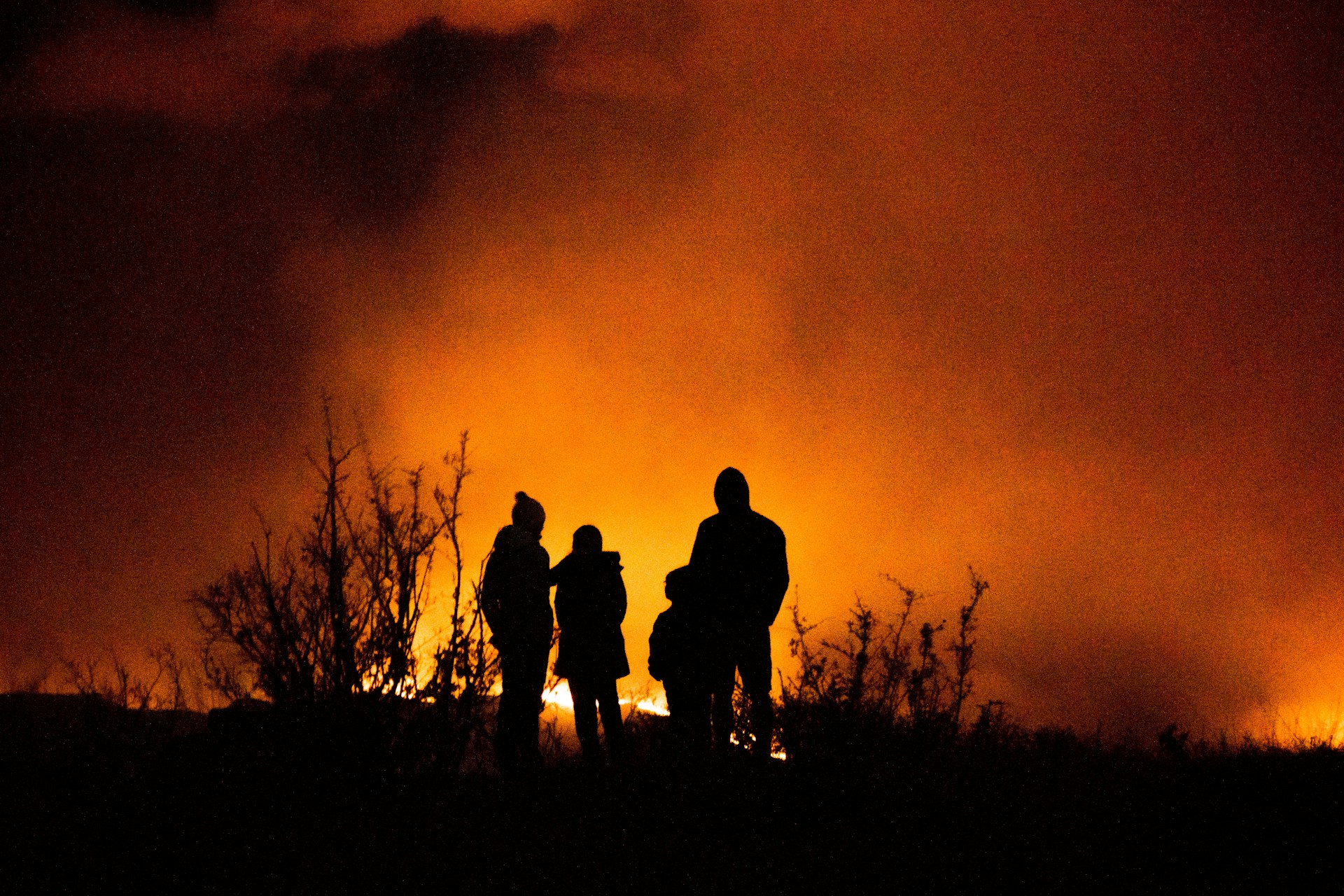
Living in Northern California means beautiful landscapes, but it also comes with the real risk of wildfires. Over the past several years, fires have hit Roseville and nearby towns harder than ever. These fires leave behind more than just damaged homes and neighborhoods—they can lead to serious injuries that stick around long after the smoke clears. Whether someone is hurt by falling debris, smoke inhalation, or burns, the road to recovery can be long and stressful.
Knowing what to do after a wildfire-related injury can make a big difference. From getting the right medical treatment to figuring out what your insurance covers, there are steps that can help bring some order back into your life. It’s not just about healing physically. It’s about taking control of your situation, one step at a time, so you’re not left feeling stuck or overwhelmed.
Immediate Steps to Take After a Wildfire Injury
If you’ve been hurt during a wildfire, the first few actions you take can set the tone for your recovery. These steps don’t need to be complex, but they do need your attention.
1. Get Medical Help
It might sound obvious, but getting checked out by a doctor should always be your first move. Some injuries may not show right away. Breathing in smoke can cause internal issues that don’t become noticeable until later. Even if you feel okay at first, a visit to your doctor can confirm there’s nothing hiding beneath the surface.
2. Document What Happened
Start gathering as much information as you can. Use your phone to take pictures of your injuries, damaged property, or the area where the injury occurred. Write down the time, location, and how it happened while the incident is fresh in your mind. This can come in handy later when you need to explain the chain of events.
3. Keep Track of Your Health
Hold on to all medical records, prescriptions, and receipts. If you miss work or have to cancel plans because of the injury, make note of those too. These gaps in day-to-day life add up and can be important when you’re discussing your situation with a trusted advisor.
4. Let Your Insurance Company Know
After you’re safe, reach out to your insurance provider. Tell them exactly what happened and what damages or injuries you’re dealing with. Be honest but careful with what you say until you’ve had a full picture of your medical and personal situation. It’s also helpful to keep any copies of forms or emails.
These first moves don’t require fancy resources or special skills. They’re more about staying organized and aware of how your life has changed because of the injury. Think of it like gathering all the pieces of a puzzle before you start figuring out how they fit together.
Medical Treatment and Rehabilitation
Recovery doesn’t stop after the first doctor visit. Taking care of your body properly in the weeks and months that follow is just as important. Depending on how the wildfire affected you, your treatment options may vary.
Some of the common injuries linked to wildfires include:
Each of these may require a different type of care. For breathing problems, you might see a pulmonologist. For burns or wounds, ongoing wound care or even physical therapy could help the healing process along. If emotional stress becomes a problem, talking with a mental health provider can be part of recovery too.
In Roseville, there are a number of local clinics and specialists who can support you through your treatment journey. Timing matters here. Starting your rehab or therapy plan early might shorten your recovery and reduce long-term discomfort.
Rehabilitation isn’t always just about the physical part either. Taking the time to stay informed about your body’s progress and asking questions when you’re unsure can help you feel more in control. Even small steps forward can bring meaningful healing.
- Smoke inhalation, which can affect breathing and lung function
- Burns from flames or hot surfaces
- Cuts or bruises caused by falling objects
- Eye or skin irritation from ash or debris
Financial Assistance and Insurance Claims
After getting the medical attention you need, the financial side of things can start to feel just as overwhelming as the injury itself. Between doctor visits, medications, missed work, and property damage, expenses can pile up fast. That’s where insurance and available aid might come into play.
The first thing you’ll want to do is check your insurance policy to figure out what’s covered. If your injury happened during evacuation, cleanup, or even inside your own home during a wildfire event, be sure to take note of where and how it happened. Some policies treat these situations differently. It also helps to keep copies of everything—photos, medical bills, emails, receipts, and any travel costs tied to your injury.
If your policy allows, file a claim through your provider. Here’s a quick breakdown of steps that can keep things smoother:
Outside of insurance, you may qualify for state or federal programs that offer support after disasters like wildfires. Some programs may help with housing, transportation, or short-term income loss. These options can take time to apply for, so starting early is a smart move. Check your local Roseville community websites or county offices for help with that process.
Being prepared with good recordkeeping goes a long way. Even if paperwork feels tedious, staying consistent and organized makes it easier to explain your case to anyone helping you—whether that’s a recovery organization, a healthcare provider, or legal support.
- Call your insurance company and report the injury
- Be specific and clear about when, where, and how the injury occurred
- Provide supporting records like medical visits, costs, or time away from work
- Keep a log of all communications with the insurance company
Legal Support and Guidance
For many people, reaching out for legal help sounds intimidating or like it’s the final step in the process. But having someone who understands how wildfire injury cases work can make a complicated recovery feel a little more manageable. If you’ve been hurt during a major wildfire event, there’s often more happening than meets the eye—especially when it comes to figuring out who’s responsible and what rights might come into play.
A wildfire injury lawyer can help explain options and work through the confusing parts. This isn’t just paperwork. It could involve digging through claims, negotiating with insurance companies, or simply making sure nothing is missed. Whether your case is big or small, legal support can give you a better picture of what’s possible.
Finding the right lawyer in Roseville doesn’t need to be overwhelming. Here are a few tips to help you make a decision:
One Roseville resident shared that after she was burned while helping neighbors evacuate, she didn’t know what steps to take. She had no health insurance and struggled to navigate the system. Once she reached out for legal help, it didn’t fix everything overnight, but it gave her direction when she had none. That small bit of guidance helped begin her road to recovery.
Trust plays a big role here. When your energy is focused on healing, the last thing you want is stress from a confusing legal mess. A good support team helps carry some of that weight, breaking down the process in a way that works for you.
- Look for someone with experience handling wildfire-related cases
- Choose a local firm familiar with Northern California fire patterns and past disasters
- Ask about their process clearly: how they work, how long things often take, and what they need from you
- Go with someone who treats you with respect and communicates clearly
Regaining Control and Moving Forward
Recovering from wildfire-related injuries often involves more than just doctor appointments or paperwork. It’s a gradual process of getting back to your normal routine, and that path looks different for everyone. Maybe it’s your work schedule that’s out of sync, or maybe you’re still managing emotional stress. Whatever the situation, taking small, steady steps can make that path feel more manageable.
The key pieces of recovery—medical treatment, insurance coordination, financial help, and legal guidance—all connect to build a stronger foundation. Each one plays a part in helping you get on more solid ground. Following through with treatment, asking questions when needed, and getting reliable support can help bring some calm to a tough situation.
People in Roseville understand how life can turn upside down after a wildfire. Taking action early, staying organized, and leaning on the right support makes a big difference. If you’re dealing with the effects of a wildfire injury, don’t wait to start rebuilding. Getting help could be the first step back to feeling like yourself again.
When dealing with the aftermath of a wildfire injury, having the right support can make a big difference in your recovery. If you’re facing challenges and need guidance, Gingery Hammer & Associates, LLP in Roseville is here to help. Learn how a trusted wildfire injury lawyer can support you through the legal process and help you move forward with confidence.